 Soft Stream Water Solutions Team
Clean drinking water is something every home needs, but many people still worry about what is coming from their tap. A reverse osmosis filter is one of the most trusted systems used today to improve water quality. It removes unwanted particles and helps make water safer and better tasting. In many homes, water may contain chlorine, heavy metals, or other dissolved impurities that affect health and taste. This is why more families are now turning to advanced filtration methods. In this blog, we will explore whether a reverse osmosis filter is truly the best solution for your home water needs.
⚡ Quick Summary
A reverse osmosis filter is one of the most effective and reliable methods to secure pure, clean drinking water for your household. It filters out microscopic contaminants (including heavy metals and dissolved solids) directly at the tap, serving as a cost-effective and eco-friendly replacement for bottled water.
What Is a Reverse Osmosis System and How It Works
A reverse osmosis system is a water purification process that uses a semi-permeable membrane. Water is pushed through this membrane under pressure. The membrane blocks most dissolved solids, chemicals, and contaminants while allowing clean water molecules to pass through.
This process is highly effective because it works at a microscopic level. Even very small impurities like fluoride, lead, and nitrates can be reduced significantly. The result is cleaner and safer drinking water.
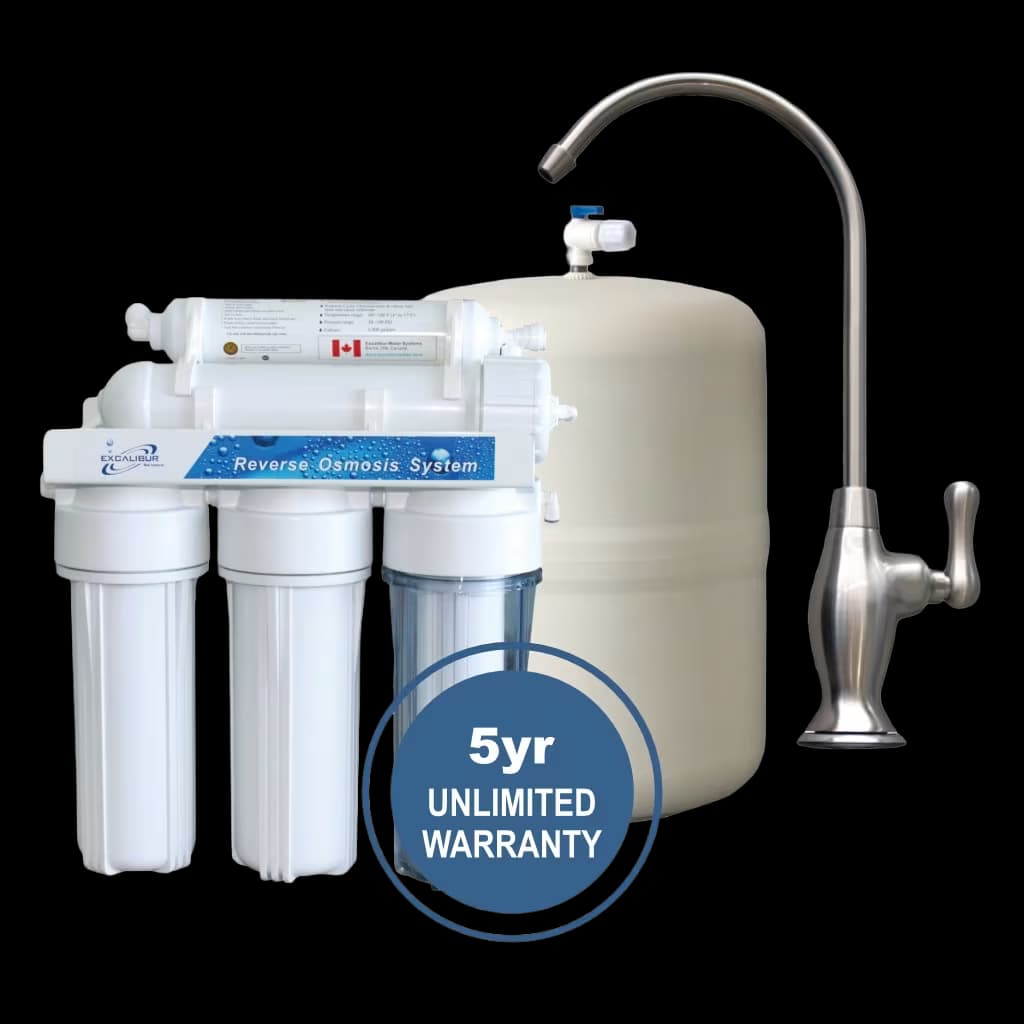
Most modern systems also include multiple stages of filtration. These stages often include sediment filters, carbon filters, and a final polishing filter. Each stage has a specific role in improving water quality before and after the reverse osmosis process.
"A reverse osmosis system provides a final, high-performance barrier that safeguards your family's health against impurities picked up from aging municipal water mains."
Why People Are Choosing Reverse Osmosis Systems
Many homeowners are switching to advanced filtration because tap water quality is not always consistent. Even treated municipal water can pick up impurities during distribution through old pipes.
A reverse osmosis system helps solve this problem by providing an extra layer of protection right at the point of use, usually under the kitchen sink. It ensures that the water you drink and cook with is consistently clean.
There is also a growing concern about bottled water. People want a safer and more cost-effective alternative. A reverse osmosis system helps reduce dependence on bottled water, which also reduces plastic waste.
Common Water Problems a Reverse Osmosis Filter Can Solve
Water issues vary from home to home, but some problems are very common. A reverse osmosis system is often used to address these:
🤢 Bad Taste & Chemical Odor
Removes chlorine, disinfectants, and minerals that make tap water smell harsh or taste chemical.
🧪 Dissolved Solids & Heavy Metals
Significantly reduces lead, copper, arsenic, fluoride, and nitrates that simple carbon filters miss.
These issues may not always be visible, but they can affect both health and comfort. Clean tasting water also encourages better hydration, especially for children and elderly family members.
Benefits of Using a Reverse Osmosis System
One of the biggest benefits is improving **water quality**. The system removes a wide range of contaminants, which helps make water safer for daily use.
- ✓Removes up to 99% of dissolved solids and chemical residues
- ✓Elevates flavor and aroma in cooking, coffee, and tea
- ✓Saves money and reduces plastic waste by replacing bottled water
- ✓Convenient, reliable, and continuous flow directly at the tap
Another benefit is the taste. Many users notice that tea, coffee, and cooked food taste better when made with filtered water. This is because unwanted chemicals and minerals are reduced.
It is also a long-term cost-saving solution. While bottled water may seem affordable at first, it becomes expensive over time. A home system provides clean water continuously without repeated purchases.
Maintenance is simple. Filters need to be replaced at regular intervals, but the system itself is designed for long-term use.
Limitations You Should Know
No system is perfect. A reverse osmosis system also has a few limitations.
First, it wastes some water during the filtration process. This is normal because contaminants are flushed out. Newer systems reduce this waste, but it still exists.
Second, it removes almost everything from water, including some natural minerals. Some users prefer adding a mineral cartridge afterward to balance the taste.
Third, installation requires space under the sink and proper setup. It is not a portable solution.
Understanding these points helps you make a better decision based on your household needs.
Reverse Osmosis vs Other Water Filters
Not all filters work the same way. Simple carbon filters mainly improve taste and smell. They do not remove dissolved solids or heavy metals effectively.
Sediment filters remove visible particles like sand or rust but do not clean water at a chemical level.
The reverse osmosis system goes further. It provides a deeper level of purification by removing a wider range of contaminants. This is why it is often used in homes where water quality is a serious concern.
Carbon Filters
Great for basic taste and odor improvement. They reduce chlorine but do not remove heavy metals, dissolved solids, or chemical salts.
Sediment Filters
Removes visible particulate matter like dirt, rust flakes, and sand. They do not treat water at a chemical or microscopic level.
Reverse Osmosis
The most comprehensive solution. Combines sediment, carbon, and a microscopic membrane to filter out chemical, organic, and physical impurities.
Each system has its purpose, but reverse osmosis is one of the most complete solutions available for drinking water.
Who Should Consider Installing It
A reverse osmosis system is ideal for households that experience poor water taste or visible impurities. It is also useful in areas with older pipelines or uncertain water quality.
Families with children often prefer it because it provides an extra layer of safety. People who cook frequently also benefit because clean water improves food quality.
It is also suitable for those who want to reduce bottled water usage and move toward a more sustainable lifestyle.
Installation and Maintenance Basics
Installation is usually done under the kitchen sink. A small faucet is added for filtered water. Most systems are designed for easy maintenance with simple filter changes.
Filters typically need replacement every 6 to 12 months depending on usage and water quality. The membrane may last longer, often several years.
Regular maintenance ensures consistent performance and keeps water quality stable over time.
Is It the Best Choice for Every Home
A reverse osmosis system is one of the most effective solutions for drinking water purification. However, whether it is the best choice depends on your water source and needs.
If your water already has good quality and low contamination, a basic filter may be enough. But if you want higher purity and peace of mind, reverse osmosis offers a strong advantage.
It is a balance between cost, maintenance, and water quality goals.
Pure Water for Everyday Life
A reverse osmosis filter is one of the most effective ways to ensure clean and safe drinking water at home. It removes a wide range of contaminants and improves taste, making everyday water healthier and more enjoyable. While it may not be the perfect fit for every household, it offers strong benefits for families who care about water quality. If you are looking for a reliable solution, Soft Stream Water Solutions provides advanced systems designed for modern homes. A reverse osmosis filter from a trusted provider can be a long-term investment in better health and peace of mind.
Upgrade Your Drinking Water Quality Today
A reverse osmosis system is a smart investment for better hydration, tastier cooking, and cost-effective daily living. Take control of your drinking water.
At SoftStream Water Solutions, we offer professional guidance and seamless installation services tailored to your household's specific needs.
Contact Us NowFrequently Asked Questions
What does a reverse osmosis system remove water?
It removes contaminants like chlorine, heavy metals, fluoride, nitrates, and dissolved solids.
Is reverse osmosis water safe to drink daily?
Yes, it is safe for daily drinking. It is widely used in homes and commercial settings.
Does a reverse osmosis system remove healthy minerals?
Yes, it can reduce natural minerals. Some systems include mineral restoration filters.
How much maintenance does it need?
Filter changes are usually needed every 6 to 12 months depending on usage.
Is installation difficult?
No, most systems are installed under the sink by a professional in a short time.
Does it improve taste?
Yes, it significantly improves taste by removing chlorine and impurities.